fark etmek 🎲
Образы — для запоминания
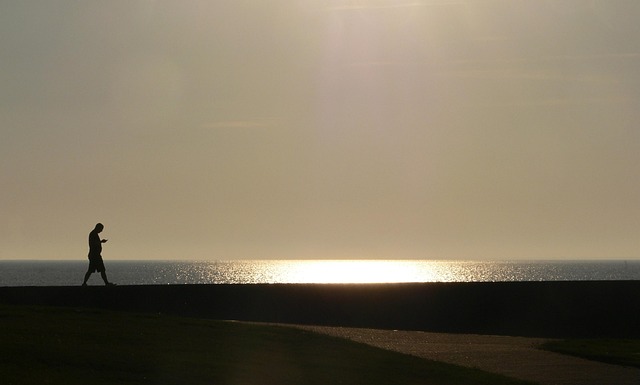
северное море, море, заход солнца, пляж, настроение, природа, морской берег, вода, небеса, летом, расслабляться, вечернее небо, праздник, песок, ветер, мобильный, мобильный телефон, не замечают, красота, важность, зависимость от сотового телефона
Bir şeyi duyular yoluyla algılamak veya dikkat etmek.
Формы слова (63)
| fark etmek | lemma |
| fark ederim | настоящее-будущее время, 1-е лицо единственное число |
| fark edersin | настоящее-будущее время, 2-е лицо единственное число |
| fark eder | настоящее-будущее время, 3-е лицо единственное число |
| fark ederiz | настоящее-будущее время, 1-е лицо множественное число |
| fark edersiniz | настоящее-будущее время, 2-е лицо множественное число |
| fark ederler | настоящее-будущее время, 3-е лицо множественное число |
| fark ettim | прошедшее время, 1-е лицо единственное число |
| fark ettin | прошедшее время, 2-е лицо единственное число |
| fark etti | прошедшее время, 3-е лицо единственное число |
| fark ettik | прошедшее время, 1-е лицо множественное число |
| fark ettiniz | прошедшее время, 2-е лицо множественное число |
| fark ettiler | прошедшее время, 3-е лицо множественное число |
| fark etmişim | прошедшее субъективное время, 1-е лицо единственное число |
| fark etmişsin | прошедшее субъективное время, 2-е лицо единственное число |
| fark etmiş | прошедшее субъективное время, 3-е лицо единственное число |
| fark etmişiz | прошедшее субъективное время, 1-е лицо множественное число |
| fark etmişsiniz | прошедшее субъективное время, 2-е лицо множественное число |
| fark etmişler | прошедшее субъективное время, 3-е лицо множественное число |
| fark ediyorum | настоящее время, 1-е лицо единственное число |
| fark ediyorsun | настоящее время, 2-е лицо единственное число |
| fark ediyor | настоящее время, 3-е лицо единственное число |
| fark ediyoruz | настоящее время, 1-е лицо множественное число |
| fark ediyorsunuz | настоящее время, 2-е лицо множественное число |
| fark ediyorlar | настоящее время, 3-е лицо множественное число |
| fark edeceğim | будущее время, 1-е лицо единственное число |
| fark edeceksin | будущее время, 2-е лицо единственное число |
| fark edecek | будущее время, 3-е лицо единственное число |
| fark edeceğiz | будущее время, 1-е лицо множественное число |
| fark edeceksiniz | будущее время, 2-е лицо множественное число |
| fark edecekler | будущее время, 3-е лицо множественное число |
| fark etmekteyim | настоящее длительное время, 1-е лицо единственное число |
| fark etmektesin | настоящее длительное время, 2-е лицо единственное число |
| fark etmekte | настоящее длительное время, 3-е лицо единственное число |
| fark etmekteyiz | настоящее длительное время, 1-е лицо множественное число |
| fark etmektesiniz | настоящее длительное время, 2-е лицо множественное число |
| fark etmekteler | настоящее длительное время, 3-е лицо множественное число |
| fark etmeliyim | долженствовательное наклонение, 1-е лицо единственное число |
| fark etmelisin | долженствовательное наклонение, 2-е лицо единственное число |
| fark etmeli | долженствовательное наклонение, 3-е лицо единственное число |
| fark etmeliyiz | долженствовательное наклонение, 1-е лицо множественное число |
| fark etmelisiniz | долженствовательное наклонение, 2-е лицо множественное число |
| fark etmeliler | долженствовательное наклонение, 3-е лицо множественное число |
| fark edeyim | желательное наклонение, 1-е лицо единственное число |
| fark et | повелительное наклонение, 2-е лицо единственное число |
| fark etsin | повелительное наклонение, 3-е лицо единственное число |
| fark edelim | повелительное наклонение, 1-е лицо множественное число |
| fark edin | повелительное наклонение, 2-е лицо множественное число |
| fark etsinler | повелительное наклонение, 3-е лицо множественное число |
| fark etsem | условное наклонение, 1-е лицо единственное число |
| fark etsen | условное наклонение, 2-е лицо единственное число |
| fark etse | условное наклонение, 3-е лицо единственное число |
| fark etsek | условное наклонение, 1-е лицо множественное число |
| fark etseniz | условное наклонение, 2-е лицо множественное число |
| fark etseler | условное наклонение, 3-е лицо множественное число |
| fark etmek | инфинитив |
| fark eden | причастие настоящего времени |
| fark etmiş | причастие прошедшего времени |
| fark edecek | причастие будущего времени |
| fark ederek | деепричастие |
| fark edip | деепричастие |
| fark etmeden | деепричастие отрицательное |
| fark etmekle | деепричастие с -le |
Переводы на другие языки
العربية
لاحظ
أن تدرك أو تنتبه أو تعير انتباهك لشيء ما.
«لم ألاحظ الإشارة.»
Формы (65)
| لَاحَظَ | past tense, 3rd person masculine singular |
| لَاحَظَا | past tense, 3rd person masculine dual |
| لَاحَظُوا | past tense, 3rd person masculine plural |
| لَاحَظَتْ | past tense, 3rd person feminine singular |
| لَاحَظَتَا | past tense, 3rd person feminine dual |
| لَاحَظْنَ | past tense, 3rd person feminine plural |
| لَاحَظْتَ | past tense, 2nd person masculine singular |
| لَاحَظْتُمَا | past tense, 2nd person dual |
| لَاحَظْتُمْ | past tense, 2nd person masculine plural |
| لَاحَظْتِ | past tense, 2nd person feminine singular |
| لَاحَظْتُنَّ | past tense, 2nd person feminine plural |
| لَاحَظْتُ | past tense, 1st person singular |
| لَاحَظْنَا | past tense, 1st person plural |
| يُلَاحِظُ | present indicative, 3rd person masculine singular |
| يُلَاحِظَانِ | present indicative, 3rd person masculine dual |
| يُلَاحِظُونَ | present indicative, 3rd person masculine plural |
| تُلَاحِظُ | present indicative, 3rd person feminine singular |
| تُلَاحِظَانِ | present indicative, 3rd person feminine dual |
| يُلَاحِظْنَ | present indicative, 3rd person feminine plural |
| تُلَاحِظُ | present indicative, 2nd person masculine singular |
| تُلَاحِظَانِ | present indicative, 2nd person dual |
| تُلَاحِظُونَ | present indicative, 2nd person masculine plural |
| تُلَاحِظِينَ | present indicative, 2nd person feminine singular |
| تُلَاحِظْنَ | present indicative, 2nd person feminine plural |
| أُلَاحِظُ | present indicative, 1st person singular |
| نُلَاحِظُ | present indicative, 1st person plural |
| أُلَاحِظَ | present subjunctive, 1st person singular |
| نُلَاحِظَ | present subjunctive, 1st person plural |
| تُلَاحِظَ | present subjunctive, 2nd person masculine singular |
| تُلَاحِظِي | present subjunctive, 2nd person feminine singular |
| تُلَاحِظَا | present subjunctive, 2nd person dual |
| تُلَاحِظُوا | present subjunctive, 2nd person masculine plural |
| تُلَاحِظْنَ | present subjunctive, 2nd person feminine plural |
| يُلَاحِظَ | present subjunctive, 3rd person masculine singular |
| تُلَاحِظَ | present subjunctive, 3rd person feminine singular |
| يُلَاحِظَا | present subjunctive, 3rd person masculine dual |
| تُلَاحِظَا | present subjunctive, 3rd person feminine dual |
| يُلَاحِظُوا | present subjunctive, 3rd person masculine plural |
| يُلَاحِظْنَ | present subjunctive, 3rd person feminine plural |
| أُلَاحِظْ | present jussive, 1st person singular |
| نُلَاحِظْ | present jussive, 1st person plural |
| تُلَاحِظْ | present jussive, 2nd person masculine singular |
| تُلَاحِظِي | present jussive, 2nd person feminine singular |
| تُلَاحِظَا | present jussive, 2nd person dual |
| تُلَاحِظُوا | present jussive, 2nd person masculine plural |
| تُلَاحِظْنَ | present jussive, 2nd person feminine plural |
| يُلَاحِظْ | present jussive, 3rd person masculine singular |
| تُلَاحِظْ | present jussive, 3rd person feminine singular |
| يُلَاحِظَا | present jussive, 3rd person masculine dual |
| تُلَاحِظَا | present jussive, 3rd person feminine dual |
| يُلَاحِظُوا | present jussive, 3rd person masculine plural |
| يُلَاحِظْنَ | present jussive, 3rd person feminine plural |
| لَاحِظْ | imperative, 2nd person masculine singular |
| لَاحِظِي | imperative, 2nd person feminine singular |
| لَاحِظَا | imperative, 2nd person dual |
| لَاحِظُوا | imperative, 2nd person masculine plural |
| لَاحِظْنَ | imperative, 2nd person feminine plural |
| مُلَاحِظ | active participle, masculine singular |
| مُلَاحِظَة | active participle, feminine singular |
| مُلَاحِظُونَ | active participle, masculine plural |
| مُلَاحِظَات | active participle, feminine plural |
| مُلَاحَظ | passive participle, masculine singular |
| مُلَاحَظَة | passive participle, feminine singular |
| مُلَاحَظُونَ | passive participle, masculine plural |
| مُلَاحَظَات | passive participle, feminine plural |
de
bemerken
Etwas bewusst wahrnehmen oder erkennen.
Формы (33)
| bemerken | lemma/infinitive |
| bemerke | 1sg present indicative |
| bemerke | 1sg subjunctive I |
| bemerke | 1sg imperative |
| bemerkst | 2sg present indicative |
| bemerkest | 2sg subjunctive I |
| bemerke | 2sg imperative |
| bemerkt | 3sg present indicative |
| bemerke | 3sg subjunctive I |
| bemerken | 1pl present indicative |
| bemerken | 1pl subjunctive I |
| bemerkt | 2pl present indicative |
| bemerket | 2pl subjunctive I |
| bemerkt | 2pl imperative |
| bemerken | 3pl present indicative |
| bemerken | 3pl subjunctive I |
| bemerkte | 1sg past indicative |
| bemerkte | 1sg subjunctive II |
| bemerktest | 2sg past indicative |
| bemerktest | 2sg subjunctive II |
| bemerkte | 3sg past indicative |
| bemerkte | 3sg subjunctive II |
| bemerkten | 1pl past indicative |
| bemerkten | 1pl subjunctive II |
| bemerktet | 2pl past indicative |
| bemerktet | 2pl subjunctive II |
| bemerkten | 3pl past indicative |
| bemerkten | 3pl subjunctive II |
| bemerkt | past participle |
| bemerkend | present participle |
| zu bemerken | infinitive with zu |
| bemerkt haben | perfect infinitive |
| bemerkt zu haben | perfect infinitive with zu |
English
notice
To become aware of, perceive, or pay attention to something.
«I didn't notice the sign.»
Формы (8)
| notice | lemma |
| notices | plural |
| notice | singular |
| noticed | past tense |
| noticed | past participle |
| noticing | present participle |
| notice | present tense, base form |
| notices | present tense, third-person singular |
Español
notar
Darse cuenta de, percibir o prestar atención a algo.
«No noté la señal.»
Формы (1)
| notar | lemma |
Français
remarquer
Prendre conscience de, percevoir ou prêter attention à quelque chose.
«Je n'ai pas remarqué le panneau.»
Формы (99)
| remarquer | lemma |
| je remarque | indicatif présent 1sg |
| tu remarques | indicatif présent 2sg |
| il remarque | indicatif présent 3sg |
| nous remarquons | indicatif présent 1pl |
| vous remarquez | indicatif présent 2pl |
| ils remarquent | indicatif présent 3pl |
| je remarquais | indicatif imparfait 1sg |
| tu remarquais | indicatif imparfait 2sg |
| il remarquait | indicatif imparfait 3sg |
| nous remarquions | indicatif imparfait 1pl |
| vous remarquiez | indicatif imparfait 2pl |
| ils remarquaient | indicatif imparfait 3pl |
| je remarquai | indicatif passé simple 1sg |
| tu remarquas | indicatif passé simple 2sg |
| il remarqua | indicatif passé simple 3sg |
| nous remarquâmes | indicatif passé simple 1pl |
| vous remarquâtes | indicatif passé simple 2pl |
| ils remarquèrent | indicatif passé simple 3pl |
| je remarquerai | indicatif futur simple 1sg |
| tu remarqueras | indicatif futur simple 2sg |
| il remarquera | indicatif futur simple 3sg |
| nous remarquerons | indicatif futur simple 1pl |
| vous remarquerez | indicatif futur simple 2pl |
| ils remarqueront | indicatif futur simple 3pl |
| j'ai remarqué | indicatif passé composé 1sg |
| tu as remarqué | indicatif passé composé 2sg |
| il a remarqué | indicatif passé composé 3sg |
| nous avons remarqué | indicatif passé composé 1pl |
| vous avez remarqué | indicatif passé composé 2pl |
| ils ont remarqué | indicatif passé composé 3pl |
| j'avais remarqué | indicatif plus-que-parfait 1sg |
| tu avais remarqué | indicatif plus-que-parfait 2sg |
| il avait remarqué | indicatif plus-que-parfait 3sg |
| nous avions remarqué | indicatif plus-que-parfait 1pl |
| vous aviez remarqué | indicatif plus-que-parfait 2pl |
| ils avaient remarqué | indicatif plus-que-parfait 3pl |
| j'eus remarqué | indicatif passé antérieur 1sg |
| tu eus remarqué | indicatif passé antérieur 2sg |
| il eut remarqué | indicatif passé antérieur 3sg |
| nous eûmes remarqué | indicatif passé antérieur 1pl |
| vous eûtes remarqué | indicatif passé antérieur 2pl |
| ils eurent remarqué | indicatif passé antérieur 3pl |
| j'aurai remarqué | indicatif futur antérieur 1sg |
| tu auras remarqué | indicatif futur antérieur 2sg |
| il aura remarqué | indicatif futur antérieur 3sg |
| nous aurons remarqué | indicatif futur antérieur 1pl |
| vous aurez remarqué | indicatif futur antérieur 2pl |
| ils auront remarqué | indicatif futur antérieur 3pl |
| je remarquerais | conditionnel présent 1sg |
| tu remarquerais | conditionnel présent 2sg |
| il remarquerait | conditionnel présent 3sg |
| nous remarquerions | conditionnel présent 1pl |
| vous remarqueriez | conditionnel présent 2pl |
| ils remarqueraient | conditionnel présent 3pl |
| j'aurais remarqué | conditionnel passé 1sg |
| tu aurais remarqué | conditionnel passé 2sg |
| il aurait remarqué | conditionnel passé 3sg |
| nous aurions remarqué | conditionnel passé 1pl |
| vous auriez remarqué | conditionnel passé 2pl |
| ils auraient remarqué | conditionnel passé 3pl |
| que je remarque | subjonctif présent 1sg |
| que tu remarques | subjonctif présent 2sg |
| qu'il remarque | subjonctif présent 3sg |
| que nous remarquions | subjonctif présent 1pl |
| que vous remarquiez | subjonctif présent 2pl |
| qu'ils remarquent | subjonctif présent 3pl |
| que je remarquasse | subjonctif imparfait 1sg |
| que tu remarquasses | subjonctif imparfait 2sg |
| qu'il remarquât | subjonctif imparfait 3sg |
| que nous remarquassions | subjonctif imparfait 1pl |
| que vous remarquassiez | subjonctif imparfait 2pl |
| qu'ils remarquassent | subjonctif imparfait 3pl |
| que j'aie remarqué | subjonctif passé 1sg |
| que tu aies remarqué | subjonctif passé 2sg |
| qu'il ait remarqué | subjonctif passé 3sg |
| que nous ayons remarqué | subjonctif passé 1pl |
| que vous ayez remarqué | subjonctif passé 2pl |
| qu'ils aient remarqué | subjonctif passé 3pl |
| que j'eusse remarqué | subjonctif plus-que-parfait 1sg |
| que tu eusses remarqué | subjonctif plus-que-parfait 2sg |
| qu'il eût remarqué | subjonctif plus-que-parfait 3sg |
| que nous eussions remarqué | subjonctif plus-que-parfait 1pl |
| que vous eussiez remarqué | subjonctif plus-que-parfait 2pl |
| qu'ils eussent remarqué | subjonctif plus-que-parfait 3pl |
| remarque | impératif présent 2sg |
| remarquons | impératif présent 1pl |
| remarquez | impératif présent 2pl |
| aie remarqué | impératif passé 2sg |
| ayons remarqué | impératif passé 1pl |
| ayez remarqué | impératif passé 2pl |
| remarquant | participe présent |
| remarqué | participe passé ms |
| remarquée | participe passé fs |
| remarqués | participe passé mp |
| remarquées | participe passé fp |
| ayant remarqué | participe passé composé |
| remarquer | infinitif présent |
| avoir remarqué | infinitif passé |
hi
ध्यान देना
किसी चीज़ पर ध्यान आकर्षित करना या उसे नोटिस करना।
Формы (45)
| ध्यान देना | lemma |
| ध्यान देता हूँ | present, 1st person, singular, masculine |
| ध्यान देती हूँ | present, 1st person, singular, feminine |
| ध्यान देते हैं | present, 1st person, plural, masculine |
| ध्यान देती हैं | present, 1st person, plural, feminine |
| ध्यान देता है | present, 2nd person, singular, masculine, informal |
| ध्यान देती है | present, 2nd person, singular, feminine, informal |
| ध्यान देते हो | present, 2nd person, plural, masculine, informal |
| ध्यान देती हो | present, 2nd person, plural, feminine, informal |
| ध्यान देते हैं | present, 2nd person, plural, masculine, formal |
| ध्यान देती हैं | present, 2nd person, plural, feminine, formal |
| ध्यान देता है | present, 3rd person, singular, masculine |
| ध्यान देती है | present, 3rd person, singular, feminine |
| ध्यान देते हैं | present, 3rd person, plural, masculine |
| ध्यान देती हैं | present, 3rd person, plural, feminine |
| ध्यान दिया | past, masculine, singular |
| ध्यान दी | past, feminine, singular |
| ध्यान दिए | past, masculine, plural |
| ध्यान दीं | past, feminine, plural |
| ध्यान दूँ | subjunctive, 1st person, singular |
| ध्यान दें | subjunctive, 1st person, plural |
| ध्यान दे | subjunctive, 2nd person, singular |
| ध्यान दो | subjunctive, 2nd person, plural, informal |
| ध्यान दीजिए | subjunctive, 2nd person, plural, formal |
| ध्यान दे | subjunctive, 3rd person, singular |
| ध्यान दें | subjunctive, 3rd person, plural |
| ध्यान देना | infinitive |
| ध्यान देना | masculine, singular, oblique, participle |
| ध्यान देने | masculine, plural, oblique, participle |
| ध्यान देती | feminine, singular, participle |
| ध्यान देतीं | feminine, plural, participle |
| ध्यान देकर | conjunctive participle |
| ध्यान देना | masculine, singular, perfective participle |
| ध्यान दिए | masculine, plural, perfective participle |
| ध्यान दी | feminine, singular, perfective participle |
| ध्यान दीं | feminine, plural, perfective participle |
| ध्यान देना | masculine, singular, prospective participle |
| ध्यान देने | masculine, plural, prospective participle |
| ध्यान देनेवाला | masculine, singular, agentive |
| ध्यान देनेवाले | masculine, plural, agentive |
| ध्यान देनेवाली | feminine, singular, agentive |
| ध्यान देनेवाली | feminine, plural, agentive |
| ध्यान देना | imperative, 2nd person, singular, informal |
| ध्यान दो | imperative, 2nd person, plural, informal |
| ध्यान दीजिए | imperative, 2nd person, plural, formal |
pt
notar
Perceber ou prestar atenção a algo de forma consciente.
Формы (1)
| notar | lemma |
中文
注意到
察觉到、意识到或关注到某事。
«我没注意到那个标志。»
Формы (1)
| 注意到 | lemma |
Чат словохаба — общий для всех языков
Пишите на своём языке — другие увидят перевод на свой. Сообщения проходят модерацию.
fark etmek — это слово, вокруг которого собрано всё, что с ним связано на сайте.
Здесь вы можете найти товары, услуги,
медиа (видео, аудио, текст), а также упоминания
в комментариях и статьях. Если вы хотите создать что-то своё — выберите
подходящий тип ниже. Ваш контент появится в разделе «Что есть» на этой же странице.
Что есть на сайте
Пока нет связанных полок. Скоро появятся.
Связи
Что можно создать на слово «fark etmek»
Справочник-перевод
🌐 Français — remarquer
Prendre conscience de, percevoir ou prêter attention à quelque chose.
Примеры:
- — Je n'ai pas remarqué le panneau.
- — Elle a remarqué un changement dans son comportement.
- — As-tu remarqué comme c'était calme ?
🌐 English — notice
To become aware of, perceive, or pay attention to something.
Примеры:
- — I didn't notice the sign.
- — She noticed a change in his behavior.
- — Did you notice how quiet it was?
🌐 中文 — 注意到
察觉到、意识到或关注到某事。
Примеры:
- — 我没注意到那个标志。
- — 她注意到他的行为有变化。
- — 你注意到有多安静了吗?
🌐 العربية — لاحظ
أن تدرك أو تنتبه أو تعير انتباهك لشيء ما.
Примеры:
- — لم ألاحظ الإشارة.
- — لاحظت تغيرًا في سلوكه.
- — هل لاحظت كم كان المكان هادئًا؟
🌐 Español — notar
Darse cuenta de, percibir o prestar atención a algo.
Примеры:
- — No noté la señal.
- — Ella notó un cambio en su comportamiento.
- — ¿Notaste lo silencioso que estaba?
🌐 tr — fark etmek
Bir şeyi duyular yoluyla algılamak veya dikkat etmek.
🌐 pt — notar
Perceber ou prestar atenção a algo de forma consciente.
🌐 hi — ध्यान देना
किसी चीज़ पर ध्यान आकर्षित करना या उसे नोटिस करना।
🌐 de — bemerken
Etwas bewusst wahrnehmen oder erkennen.
Пути
×
![]()
🔗 Связанные понятия:
🔙 Входит в состав / Связи:
взглядывать
видать
разглядывать
ошибаться
поглядывать
оглядывать
оглядываться
замечательный
отмечать
виднеться
приглядываться
осматриваться
просматривать
гнаться
примечать
зорко
засекать
пристальный
чуткий
наблюдательный
понаблюдать
бдительный
примечательный
последить
проглядеть
глазастик
усматривать
замечаться
заграбастывать