开始 🎲
Образы — для запоминания
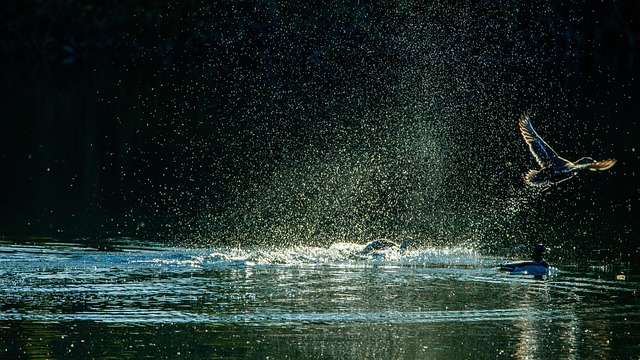
一只鸭子开始从湖面起飞,翅膀溅起水花。
подсветка, утка, пейзаж, всплеск воды, природа, начинать, дикие птицы, озеро, птица, крыло, воды, настроение, летающий

清晰的标志标志着新旅程的开始。
знак, начинать, цель, начало, тенденция установления, направление
动词,表示开始一个动作或过程。
Формы слова (1)
| 开始 | lemma |
Переводы на другие языки
العربية
يبدأ
فعل يدل على بدء فعل أو عملية.
«أبدأ قراءة الكتاب.»
Формы (44)
| يَبْدَأُ | прошедшее-настоящее, 3-е лицо, мужской род, единственное число, изъявительное наклонение |
| يَبْدَأَ | прошедшее-настоящее, 3-е лицо, мужской род, единственное число, сослагательное наклонение |
| يَبْدَأْ | прошедшее-настоящее, 3-е лицо, мужской род, единственное число, усечённое наклонение |
| يَبْدَآنِ | прошедшее-настоящее, 3-е лицо, мужской род, двойственное число, изъявительное наклонение |
| يَبْدَأَا | прошедшее-настоящее, 3-е лицо, мужской род, двойственное число, сослагательное наклонение |
| يَبْدَأُوا | прошедшее-настоящее, 3-е лицо, мужской род, множественное число, изъявительное наклонение |
| يَبْدَأُوا | прошедшее-настоящее, 3-е лицо, мужской род, множественное число, сослагательное наклонение |
| يَبْدَأُوا | прошедшее-настоящее, 3-е лицо, мужской род, множественное число, усечённое наклонение |
| تَبْدَأُ | прошедшее-настоящее, 2-е лицо, мужской род, единственное число, изъявительное наклонение |
| تَبْدَأَ | прошедшее-настоящее, 2-е лицо, мужской род, единственное число, сослагательное наклонение |
| تَبْدَأْ | прошедшее-настоящее, 2-е лицо, мужской род, единственное число, усечённое наклонение |
| تَبْدَآنِ | прошедшее-настоящее, 2-е лицо, мужской род, двойственное число, изъявительное наклонение |
| تَبْدَأَا | прошедшее-настоящее, 2-е лицо, мужской род, двойственное число, сослагательное наклонение |
| تَبْدَأُونَ | прошедшее-настоящее, 2-е лицо, мужской род, множественное число, изъявительное наклонение |
| تَبْدَأُوا | прошедшее-настоящее, 2-е лицо, мужской род, множественное число, сослагательное наклонение |
| تَبْدَأُوا | прошедшее-настоящее, 2-е лицо, мужской род, множественное число, усечённое наклонение |
| تَبْدَئِينَ | прошедшее-настоящее, 2-е лицо, женский род, единственное число, изъявительное наклонение |
| تَبْدَئِي | прошедшее-настоящее, 2-е лицо, женский род, единственное число, сослагательное наклонение |
| تَبْدَئِي | прошедшее-настоящее, 2-е лицо, женский род, единственное число, усечённое наклонение |
| تَبْدَآنِ | прошедшее-настоящее, 2-е лицо, женский род, двойственное число, изъявительное наклонение |
| تَبْدَأَا | прошедшее-настоящее, 2-е лицо, женский род, двойственное число, сослагательное наклонение |
| تَبْدَأْنَ | прошедшее-настоящее, 2-е лицо, женский род, множественное число, изъявительное наклонение |
| تَبْدَأْنَ | прошедшее-настоящее, 2-е лицо, женский род, множественное число, сослагательное наклонение |
| تَبْدَأْنَ | прошедшее-настоящее, 2-е лицо, женский род, множественное число, усечённое наклонение |
| أَبْدَأُ | прошедшее-настоящее, 1-е лицо, единственное число, изъявительное наклонение |
| أَبْدَأَ | прошедшее-настоящее, 1-е лицо, единственное число, сослагательное наклонение |
| أَبْدَأْ | прошедшее-настоящее, 1-е лицо, единственное число, усечённое наклонение |
| نَبْدَأُ | прошедшее-настоящее, 1-е лицо, множественное число, изъявительное наклонение |
| نَبْدَأَ | прошедшее-настоящее, 1-е лицо, множественное число, сослагательное наклонение |
| نَبْدَأْ | прошедшее-настоящее, 1-е лицо, множественное число, усечённое наклонение |
| يَبْدَأُ | прошедшее-настоящее, 3-е лицо, женский род, единственное число, изъявительное наклонение |
| تَبْدَأَ | прошедшее-настоящее, 3-е лицо, женский род, единственное число, сослагательное наклонение |
| تَبْدَأْ | прошедшее-настоящее, 3-е лицо, женский род, единственное число, усечённое наклонение |
| تَبْدَآنِ | прошедшее-настоящее, 3-е лицо, женский род, двойственное число, изъявительное наклонение |
| تَبْدَأَا | прошедшее-настоящее, 3-е лицо, женский род, двойственное число, сослагательное наклонение |
| يَبْدَأْنَ | прошедшее-настоящее, 3-е лицо, женский род, множественное число, изъявительное наклонение |
| يَبْدَأْنَ | прошедшее-настоящее, 3-е лицо, женский род, множественное число, сослагательное наклонение |
| يَبْدَأْنَ | прошедшее-настоящее, 3-е лицо, женский род, множественное число, усечённое наклонение |
| اِبْدَأْ | повелительное наклонение, 2-е лицо, мужской род, единственное число |
| اِبْدَآ | повелительное наклонение, 2-е лицо, мужской род, двойственное число |
| اِبْدَأُوا | повелительное наклонение, 2-е лицо, мужской род, множественное число |
| اِبْدَئِي | повелительное наклонение, 2-е лицо, женский род, единственное число |
| اِبْدَأَا | повелительное наклонение, 2-е лицо, женский род, двойственное число |
| اِبْدَأْنَ | повелительное наклонение, 2-е лицо, женский род, множественное число |
de
beginnen
Mit einer Handlung oder einem Vorgang anfangen.
Формы (34)
| beginnen | infinitive |
| beginnend | present participle |
| begonnen | past participle |
| beginne | 1st person singular present |
| beginne | 1st person singular subjunctive I |
| beginne | 3rd person singular subjunctive I |
| beginne | 1st person singular imperative |
| beginnst | 2nd person singular present |
| beginnest | 2nd person singular subjunctive I |
| beginnt | 3rd person singular present |
| beginnt | 2nd person plural present |
| beginnt | 2nd person plural imperative |
| beginnen | 1st person plural present |
| beginnen | 3rd person plural present |
| beginnen | 1st person plural subjunctive I |
| beginnen | 3rd person plural subjunctive I |
| begann | 1st person singular past |
| begann | 3rd person singular past |
| begannst | 2nd person singular past |
| begannen | 1st person plural past |
| begannen | 3rd person plural past |
| begannt | 2nd person plural past |
| begänne | 1st person singular subjunctive II |
| begänne | 3rd person singular subjunctive II |
| begännest | 2nd person singular subjunctive II |
| begännen | 1st person plural subjunctive II |
| begännen | 3rd person plural subjunctive II |
| begännet | 2nd person plural subjunctive II |
| begönne | 1st person singular subjunctive II |
| begönne | 3rd person singular subjunctive II |
| begönnest | 2nd person singular subjunctive II |
| begönnen | 1st person plural subjunctive II |
| begönnen | 3rd person plural subjunctive II |
| begönnet | 2nd person plural subjunctive II |
English
begin
The verb 'начинать' corresponds to English 'to begin' or 'to start'. It is imperfective and indicates the commencement of an actio…
«I begin to read a book.»
Формы (5)
| begin | lemma |
| begins | 3rd person singular present |
| beginning | present participle |
| began | past tense |
| begun | past participle |
Español
empezar
El verbo 'начинать' se traduce como 'empezar' o 'comenzar'. Es imperfectivo e indica el inicio de una acción o proceso.
«Empiezo a leer un libro.»
Формы (62)
| empezar | infinitive |
| empezando | gerund |
| empezado | past participle |
| empiezo | present indicative 1st person singular |
| empiezas | present indicative 2nd person singular |
| empieza | present indicative 3rd person singular |
| empezamos | present indicative 1st person plural |
| empezáis | present indicative 2nd person plural |
| empiezan | present indicative 3rd person plural |
| empecé | preterite indicative 1st person singular |
| empezaste | preterite indicative 2nd person singular |
| empezó | preterite indicative 3rd person singular |
| empezamos | preterite indicative 1st person plural |
| empezasteis | preterite indicative 2nd person plural |
| empezaron | preterite indicative 3rd person plural |
| empezaba | imperfect indicative 1st person singular |
| empezabas | imperfect indicative 2nd person singular |
| empezaba | imperfect indicative 3rd person singular |
| empezábamos | imperfect indicative 1st person plural |
| empezabais | imperfect indicative 2nd person plural |
| empezaban | imperfect indicative 3rd person plural |
| empezaré | future indicative 1st person singular |
| empezarás | future indicative 2nd person singular |
| empezará | future indicative 3rd person singular |
| empezaremos | future indicative 1st person plural |
| empezaréis | future indicative 2nd person plural |
| empezarán | future indicative 3rd person plural |
| empezaría | conditional 1st person singular |
| empezarías | conditional 2nd person singular |
| empezaría | conditional 3rd person singular |
| empezaríamos | conditional 1st person plural |
| empezaríais | conditional 2nd person plural |
| empezarían | conditional 3rd person plural |
| empiece | present subjunctive 1st person singular |
| empieces | present subjunctive 2nd person singular |
| empiece | present subjunctive 3rd person singular |
| empecemos | present subjunctive 1st person plural |
| empecéis | present subjunctive 2nd person plural |
| empiecen | present subjunctive 3rd person plural |
| empezara | imperfect subjunctive 1st person singular |
| empezaras | imperfect subjunctive 2nd person singular |
| empezara | imperfect subjunctive 3rd person singular |
| empezáramos | imperfect subjunctive 1st person plural |
| empezarais | imperfect subjunctive 2nd person plural |
| empezaran | imperfect subjunctive 3rd person plural |
| empezase | imperfect subjunctive 1st person singular |
| empezases | imperfect subjunctive 2nd person singular |
| empezase | imperfect subjunctive 3rd person singular |
| empezásemos | imperfect subjunctive 1st person plural |
| empezaseis | imperfect subjunctive 2nd person plural |
| empezasen | imperfect subjunctive 3rd person plural |
| empezare | future subjunctive 1st person singular |
| empezares | future subjunctive 2nd person singular |
| empezare | future subjunctive 3rd person singular |
| empezáremos | future subjunctive 1st person plural |
| empezareis | future subjunctive 2nd person plural |
| empezaren | future subjunctive 3rd person plural |
| empieza | imperative 2nd person singular |
| empezad | imperative 2nd person plural |
| empiece | imperative 3rd person singular |
| empecemos | imperative 1st person plural |
| empiecen | imperative 3rd person plural |
Français
commencer
Le verbe 'начинать' correspond au français 'commencer'. Il est imperfectif et indique le début d'une action ou d'un processus.
«Je commence à lire un livre.»
Формы (129)
| commencer | infinitive |
| commençant | present participle |
| commencé | past participle masculine singular |
| commencée | past participle feminine singular |
| commencés | past participle masculine plural |
| commencées | past participle feminine plural |
| je commence | indicative present 1st person singular |
| tu commences | indicative present 2nd person singular |
| il commence | indicative present 3rd person singular masculine |
| elle commence | indicative present 3rd person singular feminine |
| nous commençons | indicative present 1st person plural |
| vous commencez | indicative present 2nd person plural |
| ils commencent | indicative present 3rd person plural masculine |
| elles commencent | indicative present 3rd person plural feminine |
| je commençais | indicative imperfect 1st person singular |
| tu commençais | indicative imperfect 2nd person singular |
| il commençait | indicative imperfect 3rd person singular masculine |
| elle commençait | indicative imperfect 3rd person singular feminine |
| nous commencions | indicative imperfect 1st person plural |
| vous commenciez | indicative imperfect 2nd person plural |
| ils commençaient | indicative imperfect 3rd person plural masculine |
| elles commençaient | indicative imperfect 3rd person plural feminine |
| je commençai | indicative past historic 1st person singular |
| tu commenças | indicative past historic 2nd person singular |
| il commença | indicative past historic 3rd person singular masculine |
| elle commença | indicative past historic 3rd person singular feminine |
| nous commençâmes | indicative past historic 1st person plural |
| vous commençâtes | indicative past historic 2nd person plural |
| ils commencèrent | indicative past historic 3rd person plural masculine |
| elles commencèrent | indicative past historic 3rd person plural feminine |
| je commencerai | indicative future 1st person singular |
| tu commenceras | indicative future 2nd person singular |
| il commencera | indicative future 3rd person singular masculine |
| elle commencera | indicative future 3rd person singular feminine |
| nous commencerons | indicative future 1st person plural |
| vous commencerez | indicative future 2nd person plural |
| ils commenceront | indicative future 3rd person plural masculine |
| elles commenceront | indicative future 3rd person plural feminine |
| je commencerais | conditional present 1st person singular |
| tu commencerais | conditional present 2nd person singular |
| il commencerait | conditional present 3rd person singular masculine |
| elle commencerait | conditional present 3rd person singular feminine |
| nous commencerions | conditional present 1st person plural |
| vous commenceriez | conditional present 2nd person plural |
| ils commenceraient | conditional present 3rd person plural masculine |
| elles commenceraient | conditional present 3rd person plural feminine |
| que je commence | subjunctive present 1st person singular |
| que tu commences | subjunctive present 2nd person singular |
| qu'il commence | subjunctive present 3rd person singular masculine |
| qu'elle commence | subjunctive present 3rd person singular feminine |
| que nous commencions | subjunctive present 1st person plural |
| que vous commenciez | subjunctive present 2nd person plural |
| qu'ils commencent | subjunctive present 3rd person plural masculine |
| qu'elles commencent | subjunctive present 3rd person plural feminine |
| que je commençasse | subjunctive imperfect 1st person singular |
| que tu commençasses | subjunctive imperfect 2nd person singular |
| qu'il commençât | subjunctive imperfect 3rd person singular masculine |
| qu'elle commençât | subjunctive imperfect 3rd person singular feminine |
| que nous commençassions | subjunctive imperfect 1st person plural |
| que vous commençassiez | subjunctive imperfect 2nd person plural |
| qu'ils commençassent | subjunctive imperfect 3rd person plural masculine |
| qu'elles commençassent | subjunctive imperfect 3rd person plural feminine |
| commence | imperative present 2nd person singular |
| commençons | imperative present 1st person plural |
| commencez | imperative present 2nd person plural |
| avoir commencé | infinitive past |
| étant commencé | participle present perfect masculine singular |
| étant commencée | participle present perfect feminine singular |
| étant commencés | participle present perfect masculine plural |
| étant commencées | participle present perfect feminine plural |
| j'ai commencé | indicative present perfect 1st person singular |
| tu as commencé | indicative present perfect 2nd person singular |
| il a commencé | indicative present perfect 3rd person singular masculine |
| elle a commencé | indicative present perfect 3rd person singular feminine |
| nous avons commencé | indicative present perfect 1st person plural |
| vous avez commencé | indicative present perfect 2nd person plural |
| ils ont commencé | indicative present perfect 3rd person plural masculine |
| elles ont commencé | indicative present perfect 3rd person plural feminine |
| j'avais commencé | indicative pluperfect 1st person singular |
| tu avais commencé | indicative pluperfect 2nd person singular |
| il avait commencé | indicative pluperfect 3rd person singular masculine |
| elle avait commencé | indicative pluperfect 3rd person singular feminine |
| nous avions commencé | indicative pluperfect 1st person plural |
| vous aviez commencé | indicative pluperfect 2nd person plural |
| ils avaient commencé | indicative pluperfect 3rd person plural masculine |
| elles avaient commencé | indicative pluperfect 3rd person plural feminine |
| j'eus commencé | indicative past anterior 1st person singular |
| tu eus commencé | indicative past anterior 2nd person singular |
| il eut commencé | indicative past anterior 3rd person singular masculine |
| elle eut commencé | indicative past anterior 3rd person singular feminine |
| nous eûmes commencé | indicative past anterior 1st person plural |
| vous eûtes commencé | indicative past anterior 2nd person plural |
| ils eurent commencé | indicative past anterior 3rd person plural masculine |
| elles eurent commencé | indicative past anterior 3rd person plural feminine |
| j'aurai commencé | indicative future perfect 1st person singular |
| tu auras commencé | indicative future perfect 2nd person singular |
| il aura commencé | indicative future perfect 3rd person singular masculine |
| elle aura commencé | indicative future perfect 3rd person singular feminine |
| nous aurons commencé | indicative future perfect 1st person plural |
| vous aurez commencé | indicative future perfect 2nd person plural |
| ils auront commencé | indicative future perfect 3rd person plural masculine |
| elles auront commencé | indicative future perfect 3rd person plural feminine |
| j'aurais commencé | conditional past 1st person singular |
| tu aurais commencé | conditional past 2nd person singular |
| il aurait commencé | conditional past 3rd person singular masculine |
| elle aurait commencé | conditional past 3rd person singular feminine |
| nous aurions commencé | conditional past 1st person plural |
| vous auriez commencé | conditional past 2nd person plural |
| ils auraient commencé | conditional past 3rd person plural masculine |
| elles auraient commencé | conditional past 3rd person plural feminine |
| que j'aie commencé | subjunctive past 1st person singular |
| que tu aies commencé | subjunctive past 2nd person singular |
| qu'il ait commencé | subjunctive past 3rd person singular masculine |
| qu'elle ait commencé | subjunctive past 3rd person singular feminine |
| que nous ayons commencé | subjunctive past 1st person plural |
| que vous ayez commencé | subjunctive past 2nd person plural |
| qu'ils aient commencé | subjunctive past 3rd person plural masculine |
| qu'elles aient commencé | subjunctive past 3rd person plural feminine |
| que j'eusse commencé | subjunctive pluperfect 1st person singular |
| que tu eusses commencé | subjunctive pluperfect 2nd person singular |
| qu'il eût commencé | subjunctive pluperfect 3rd person singular masculine |
| qu'elle eût commencé | subjunctive pluperfect 3rd person singular feminine |
| que nous eussions commencé | subjunctive pluperfect 1st person plural |
| que vous eussiez commencé | subjunctive pluperfect 2nd person plural |
| qu'ils eussent commencé | subjunctive pluperfect 3rd person plural masculine |
| qu'elles eussent commencé | subjunctive pluperfect 3rd person plural feminine |
| aie commencé | imperative past 2nd person singular |
| ayons commencé | imperative past 1st person plural |
| ayez commencé | imperative past 2nd person plural |
hi
शुरू करना
किसी कार्य या प्रक्रिया को आरंभ करने की क्रिया।
Формы (47)
| शुरू करना | lemma |
| शुरू करता हूँ | present, 1st person, singular, masculine |
| शुरू करती हूँ | present, 1st person, singular, feminine |
| शुरू करते हैं | present, 1st person, plural, masculine |
| शुरू करती हैं | present, 1st person, plural, feminine |
| शुरू करता है | present, 2nd person, singular, masculine |
| शुरू करती है | present, 2nd person, singular, feminine |
| शुरू करते हो | present, 2nd person, plural, masculine |
| शुरू करती हो | present, 2nd person, plural, feminine |
| शुरू करता है | present, 3rd person, singular, masculine |
| शुरू करती है | present, 3rd person, singular, feminine |
| शुरू करते हैं | present, 3rd person, plural, masculine |
| शुरू करती हैं | present, 3rd person, plural, feminine |
| शुरू किया | past, masculine, singular |
| शुरू की | past, feminine, singular |
| शुरू किये | past, masculine, plural |
| शुरू कीं | past, feminine, plural |
| शुरू करूँगा | future, 1st person, singular, masculine |
| शुरू करूँगी | future, 1st person, singular, feminine |
| शुरू करेंगे | future, 1st person, plural, masculine |
| शुरू करेंगी | future, 1st person, plural, feminine |
| शुरू करेगा | future, 2nd person, singular, masculine |
| शुरू करेगी | future, 2nd person, singular, feminine |
| शुरू करोगे | future, 2nd person, plural, masculine |
| शुरू करोगी | future, 2nd person, plural, feminine |
| शुरू करेगा | future, 3rd person, singular, masculine |
| शुरू करेगी | future, 3rd person, singular, feminine |
| शुरू करेंगे | future, 3rd person, plural, masculine |
| शुरू करेंगी | future, 3rd person, plural, feminine |
| शुरू कर | imperative, 2nd person, singular |
| शुरू करो | imperative, 2nd person, plural |
| शुरू कीजिए | imperative, polite |
| शुरू करता | participle, present, masculine, singular |
| शुरू करती | participle, present, feminine, singular |
| शुरू करते | participle, present, masculine, plural |
| शुरू करतीं | participle, present, feminine, plural |
| शुरू किया हुआ | participle, perfect, masculine, singular |
| शुरू की हुई | participle, perfect, feminine, singular |
| शुरू किये हुए | participle, perfect, masculine, plural |
| शुरू की हुईं | participle, perfect, feminine, plural |
| शुरू करना | infinitive |
| शुरू करके | conjunctive participle |
| शुरू करने | oblique infinitive |
| शुरू करनेवाला | agentive, masculine, singular |
| शुरू करनेवाली | agentive, feminine, singular |
| शुरू करनेवाले | agentive, masculine, plural |
| शुरू करनेवाली | agentive, feminine, plural |
pt
começar
Iniciar uma ação ou processo.
Формы (71)
| começar | infinitive |
| começo | present indicative 1st person singular |
| começas | present indicative 2nd person singular |
| começa | present indicative 3rd person singular |
| começamos | present indicative 1st person plural |
| começais | present indicative 2nd person plural |
| começam | present indicative 3rd person plural |
| começava | imperfect indicative 1st person singular |
| começavas | imperfect indicative 2nd person singular |
| começava | imperfect indicative 3rd person singular |
| começávamos | imperfect indicative 1st person plural |
| começáveis | imperfect indicative 2nd person plural |
| começavam | imperfect indicative 3rd person plural |
| comecei | preterite indicative 1st person singular |
| começaste | preterite indicative 2nd person singular |
| começou | preterite indicative 3rd person singular |
| começamos | preterite indicative 1st person plural |
| começastes | preterite indicative 2nd person plural |
| começaram | preterite indicative 3rd person plural |
| começara | pluperfect indicative 1st person singular |
| começaras | pluperfect indicative 2nd person singular |
| começara | pluperfect indicative 3rd person singular |
| começáramos | pluperfect indicative 1st person plural |
| começáreis | pluperfect indicative 2nd person plural |
| começaram | pluperfect indicative 3rd person plural |
| começarei | future indicative 1st person singular |
| começarás | future indicative 2nd person singular |
| começará | future indicative 3rd person singular |
| começaremos | future indicative 1st person plural |
| começareis | future indicative 2nd person plural |
| começarão | future indicative 3rd person plural |
| começaria | conditional 1st person singular |
| começarias | conditional 2nd person singular |
| começaria | conditional 3rd person singular |
| começaríamos | conditional 1st person plural |
| começaríeis | conditional 2nd person plural |
| começariam | conditional 3rd person plural |
| comece | present subjunctive 1st person singular |
| comeces | present subjunctive 2nd person singular |
| comece | present subjunctive 3rd person singular |
| comecemos | present subjunctive 1st person plural |
| comeceis | present subjunctive 2nd person plural |
| comecem | present subjunctive 3rd person plural |
| começasse | imperfect subjunctive 1st person singular |
| começasses | imperfect subjunctive 2nd person singular |
| começasse | imperfect subjunctive 3rd person singular |
| começássemos | imperfect subjunctive 1st person plural |
| começásseis | imperfect subjunctive 2nd person plural |
| começassem | imperfect subjunctive 3rd person plural |
| começar | future subjunctive 1st person singular |
| começares | future subjunctive 2nd person singular |
| começar | future subjunctive 3rd person singular |
| começarmos | future subjunctive 1st person plural |
| começardes | future subjunctive 2nd person plural |
| começarem | future subjunctive 3rd person plural |
| começa | imperative 2nd person singular |
| comece | imperative 3rd person singular |
| comecemos | imperative 1st person plural |
| começai | imperative 2nd person plural |
| comecem | imperative 3rd person plural |
| começar | personal infinitive 1st person singular |
| começares | personal infinitive 2nd person singular |
| começar | personal infinitive 3rd person singular |
| começarmos | personal infinitive 1st person plural |
| começardes | personal infinitive 2nd person plural |
| começarem | personal infinitive 3rd person plural |
| começando | gerund |
| começado | past participle masculine singular |
| começada | past participle feminine singular |
| começados | past participle masculine plural |
| começadas | past participle feminine plural |
tr
başlamak
Bir işe veya eyleme ilk adımı atmak.
Формы (54)
| başlamak | lemma |
| başlarım | настоящее-будущее время, 1-е лицо ед.ч. |
| başlarsın | настоящее-будущее время, 2-е лицо ед.ч. |
| başlar | настоящее-будущее время, 3-е лицо ед.ч. |
| başlarız | настоящее-будущее время, 1-е лицо мн.ч. |
| başlarsınız | настоящее-будущее время, 2-е лицо мн.ч. |
| başlarlar | настоящее-будущее время, 3-е лицо мн.ч. |
| başladım | прошедшее категорическое, 1-е лицо ед.ч. |
| başladın | прошедшее категорическое, 2-е лицо ед.ч. |
| başladı | прошедшее категорическое, 3-е лицо ед.ч. |
| başladık | прошедшее категорическое, 1-е лицо мн.ч. |
| başladınız | прошедшее категорическое, 2-е лицо мн.ч. |
| başladılar | прошедшее категорическое, 3-е лицо мн.ч. |
| başlamışım | прошедшее субъективное, 1-е лицо ед.ч. |
| başlamışsın | прошедшее субъективное, 2-е лицо ед.ч. |
| başlamış | прошедшее субъективное, 3-е лицо ед.ч. |
| başlamışız | прошедшее субъективное, 1-е лицо мн.ч. |
| başlamışsınız | прошедшее субъективное, 2-е лицо мн.ч. |
| başlamışlar | прошедшее субъективное, 3-е лицо мн.ч. |
| başlıyorum | настоящее время, 1-е лицо ед.ч. |
| başlıyorsun | настоящее время, 2-е лицо ед.ч. |
| başlıyor | настоящее время, 3-е лицо ед.ч. |
| başlıyoruz | настоящее время, 1-е лицо мн.ч. |
| başlıyorsunuz | настоящее время, 2-е лицо мн.ч. |
| başlıyorlar | настоящее время, 3-е лицо мн.ч. |
| başlayacağım | будущее время, 1-е лицо ед.ч. |
| başlayacaksın | будущее время, 2-е лицо ед.ч. |
| başlayacak | будущее время, 3-е лицо ед.ч. |
| başlayacağız | будущее время, 1-е лицо мн.ч. |
| başlayacaksınız | будущее время, 2-е лицо мн.ч. |
| başlayacaklar | будущее время, 3-е лицо мн.ч. |
| başlamalıyım | долженствовательное, 1-е лицо ед.ч. |
| başlamalısın | долженствовательное, 2-е лицо ед.ч. |
| başlamalı | долженствовательное, 3-е лицо ед.ч. |
| başlamalıyız | долженствовательное, 1-е лицо мн.ч. |
| başlamalısınız | долженствовательное, 2-е лицо мн.ч. |
| başlamalılar | долженствовательное, 3-е лицо мн.ч. |
| başlasam | условное, 1-е лицо ед.ч. |
| başlasan | условное, 2-е лицо ед.ч. |
| başlasa | условное, 3-е лицо ед.ч. |
| başlasak | условное, 1-е лицо мн.ч. |
| başlasanız | условное, 2-е лицо мн.ч. |
| başlasalar | условное, 3-е лицо мн.ч. |
| başlayayım | желательное, 1-е лицо ед.ч. |
| başla | повелительное, 2-е лицо ед.ч. |
| başlasın | повелительное, 3-е лицо ед.ч. |
| başlayalım | повелительное, 1-е лицо мн.ч. |
| başlayın | повелительное, 2-е лицо мн.ч. |
| başlasınlar | повелительное, 3-е лицо мн.ч. |
| başlamakta | локатив (инфинитив) |
| başlamaktan | аблатив (инфинитив) |
| başlamakla | инструменталис (инфинитив) |
| başlamakta | локатив (инфинитив) |
| başlamaklar | множественное число (инфинитив) |
Чат словохаба — общий для всех языков
Пишите на своём языке — другие увидят перевод на свой. Сообщения проходят модерацию.
开始 — это слово, вокруг которого собрано всё, что с ним связано на сайте.
Здесь вы можете найти товары, услуги,
медиа (видео, аудио, текст), а также упоминания
в комментариях и статьях. Если вы хотите создать что-то своё — выберите
подходящий тип ниже. Ваш контент появится в разделе «Что есть» на этой же странице.
Что есть на сайте
Пока нет связанных полок. Скоро появятся.
Связи
Что можно создать на слово «开始»
Справочник-перевод
🌐 Français — commencer
Le verbe 'начинать' correspond au français 'commencer'. Il est imperfectif et indique le début d'une action ou d'un processus.
Примеры:
-
— Je commence à lire un livre.
= 我开始读一本书。
-
— Elle commence à travailler à neuf heures.
= 她九点开始工作。
-
— Nous commençons la réunion maintenant.
= 我们现在开始会议。
🌐 中文 — 开始
动词,表示开始一个动作或过程。
Примеры:
- — 我开始读书。
- — 她九点开始工作。
- — 我们现在开始会议。
🌐 العربية — يبدأ
فعل يدل على بدء فعل أو عملية.
Примеры:
-
— أبدأ قراءة الكتاب.
= 开始读书。
-
— هي تبدأ العمل في التاسعة.
= 她九点开始工作。
-
— نحن نبدأ الاجتماع الآن.
= 我们现在开始开会。
🌐 English — begin
The verb 'начинать' corresponds to English 'to begin' or 'to start'. It is imperfective and indicates the commencement of an action or process.
Примеры:
-
— I begin to read a book.
= 我开始读一本书。
-
— She begins work at nine.
= 她九点开始工作。
-
— We begin the meeting now.
= 我们现在开始会议。
🌐 Español — empezar
El verbo 'начинать' se traduce como 'empezar' o 'comenzar'. Es imperfectivo e indica el inicio de una acción o proceso.
Примеры:
-
— Empiezo a leer un libro.
= 我开始读一本书。
-
— Ella empieza a trabajar a las nueve.
= 她九点开始工作。
-
— Empezamos la reunión ahora.
= 我们现在开始会议。
🌐 pt — começar
Iniciar uma ação ou processo.
🌐 tr — başlamak
Bir işe veya eyleme ilk adımı atmak.
🌐 hi — शुरू करना
किसी कार्य या प्रक्रिया को आरंभ करने की क्रिया।
🌐 de — beginnen
Mit einer Handlung oder einem Vorgang anfangen.
Пути
×
![]()
🔗 Связанные понятия:
🔙 Входит в состав / Связи:
начинаться
приниматься
кончать
заводить
вступать
откладывать
забегать
запевать
закладывать
доводить
заключать
оканчивать
затевать
затевать
пускаться
завязывать
развязывать
предпринимать
зашевелиться
зареветь
основывать
разделываться
доделывать
доделывать
подытоживать
первоначальный
доканчивать
заступать
довершать
венчать
вершить
закругляться
починать
наново