go 🎲
Образы — для запоминания

A fisherman enjoys the peaceful sunrise on a lake, reflecting on nature's beauty.
красивая, зеленый, сияющий, ротанг - открытый, рассвет, заход солнца, рыбаки, пойти на рыбалку, лес, желтый, на воде, озеро, горизонт, посмотреть, свет - природное явление, одиночество, долго, утро, красочный, природа, корабль, никто, без городские сцены, за пределами, тихого океана, фотография, отражающий, море, небо, летом, солнце, солнечный свет, путешествовать, дерево, вьетнам, страна
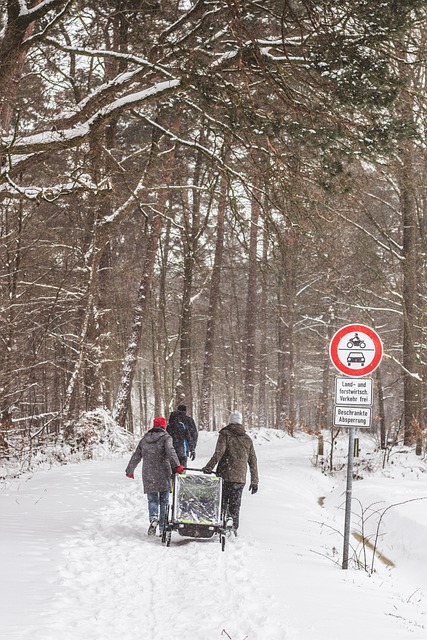
A family enjoys a walk through a snowy forest path pushing a stroller.
снег, детские коляски, поход, деревья, природа, путь, пойти на прогулку, thule, лес, зима
To move from one place to another; to travel or proceed, especially on foot.
Формы слова (5)
| go | lemma |
| goes | 3rd person singular present |
| went | past tense |
| gone | past participle |
| going | present participle |
Переводы на другие языки
العربية
ذهب
الانتقال من مكان إلى آخر، أو التوجه نحو وجهة معينة.
«يجب أن أذهب إلى المنزل الآن.»
Формы (66)
| ذَهَبَ | past, 3rd person masculine singular |
| ذَهَبَا | past, 3rd person masculine dual |
| ذَهَبُوا | past, 3rd person masculine plural |
| ذَهَبَتْ | past, 3rd person feminine singular |
| ذَهَبَتَا | past, 3rd person feminine dual |
| ذَهَبْنَ | past, 3rd person feminine plural |
| ذَهَبْتَ | past, 2nd person masculine singular |
| ذَهَبْتُمَا | past, 2nd person dual |
| ذَهَبْتُمْ | past, 2nd person masculine plural |
| ذَهَبْتِ | past, 2nd person feminine singular |
| ذَهَبْتُنَّ | past, 2nd person feminine plural |
| ذَهَبْتُ | past, 1st person singular/plural |
| يَذْهَبُ | present indicative, 3rd person masculine singular |
| يَذْهَبَانِ | present indicative, 3rd person masculine dual |
| يَذْهَبُونَ | present indicative, 3rd person masculine plural |
| تَذْهَبُ | present indicative, 3rd person feminine singular / 2nd person masculine singular |
| تَذْهَبَانِ | present indicative, 3rd person feminine dual / 2nd person dual |
| يَذْهَبْنَ | present indicative, 3rd person feminine plural |
| تَذْهَبُونَ | present indicative, 2nd person masculine plural |
| تَذْهَبِينَ | present indicative, 2nd person feminine singular |
| تَذْهَبْنَ | present indicative, 2nd person feminine plural |
| أَذْهَبُ | present indicative, 1st person singular |
| نَذْهَبُ | present indicative, 1st person plural |
| يَذْهَبَ | present subjunctive, 3rd person masculine singular |
| يَذْهَبَا | present subjunctive, 3rd person masculine dual |
| يَذْهَبُوا | present subjunctive, 3rd person masculine plural |
| تَذْهَبَ | present subjunctive, 3rd person feminine singular / 2nd person masculine singular |
| تَذْهَبَا | present subjunctive, 3rd person feminine dual / 2nd person dual |
| يَذْهَبْنَ | present subjunctive, 3rd person feminine plural |
| تَذْهَبُوا | present subjunctive, 2nd person masculine plural |
| تَذْهَبِي | present subjunctive, 2nd person feminine singular |
| تَذْهَبْنَ | present subjunctive, 2nd person feminine plural |
| أَذْهَبَ | present subjunctive, 1st person singular |
| نَذْهَبَ | present subjunctive, 1st person plural |
| يَذْهَبْ | present jussive, 3rd person masculine singular |
| يَذْهَبَا | present jussive, 3rd person masculine dual |
| يَذْهَبُوا | present jussive, 3rd person masculine plural |
| تَذْهَبْ | present jussive, 3rd person feminine singular / 2nd person masculine singular |
| تَذْهَبَا | present jussive, 3rd person feminine dual / 2nd person dual |
| يَذْهَبْنَ | present jussive, 3rd person feminine plural |
| تَذْهَبُوا | present jussive, 2nd person masculine plural |
| تَذْهَبِي | present jussive, 2nd person feminine singular |
| تَذْهَبْنَ | present jussive, 2nd person feminine plural |
| أَذْهَبْ | present jussive, 1st person singular |
| نَذْهَبْ | present jussive, 1st person plural |
| اِذْهَبْ | imperative, 2nd person masculine singular |
| اِذْهَبَا | imperative, 2nd person dual |
| اِذْهَبُوا | imperative, 2nd person masculine plural |
| اِذْهَبِي | imperative, 2nd person feminine singular |
| اِذْهَبْنَ | imperative, 2nd person feminine plural |
| ذَاهِب | active participle, masculine singular |
| ذَاهِبَة | active participle, feminine singular |
| ذَاهِبَان | active participle, masculine dual |
| ذَاهِبَتَان | active participle, feminine dual |
| ذَاهِبُون | active participle, masculine plural |
| ذَاهِبَات | active participle, feminine plural |
| مَذْهَب | passive participle, masculine singular |
| مَذْهَبَة | passive participle, feminine singular |
| مَذْهَبَان | passive participle, masculine dual |
| مَذْهَبَتَان | passive participle, feminine dual |
| مَذْهُوب | passive participle, masculine singular |
| مَذْهُوبَة | passive participle, feminine singular |
| مَذْهُوبَان | passive participle, masculine dual |
| مَذْهُوبَتَان | passive participle, feminine dual |
| مَذْهُوبُون | passive participle, masculine plural |
| مَذْهُوبَات | passive participle, feminine plural |
de
gehen
Sich zu Fuß von einem Ort zum anderen bewegen.
Формы (33)
| gehen | lemma/infinitive |
| gehe | 1sg present indicative |
| gehst | 2sg present indicative |
| geht | 3sg present indicative |
| gehen | 1pl present indicative |
| geht | 2pl present indicative |
| gehen | 3pl present indicative |
| gehe | 1sg subjunctive I present |
| gehest | 2sg subjunctive I present |
| gehe | 3sg subjunctive I present |
| gehen | 1pl subjunctive I present |
| gehet | 2pl subjunctive I present |
| gehen | 3pl subjunctive I present |
| ging | 1sg past indicative |
| gingst | 2sg past indicative |
| ging | 3sg past indicative |
| gingen | 1pl past indicative |
| gingt | 2pl past indicative |
| gingen | 3pl past indicative |
| ginge | 1sg subjunctive II past |
| gingest | 2sg subjunctive II past |
| ginge | 3sg subjunctive II past |
| gingen | 1pl subjunctive II past |
| ginget | 2pl subjunctive II past |
| gingen | 3pl subjunctive II past |
| geh | 2sg imperative |
| geht | 2pl imperative |
| gehen | 1pl imperative |
| gehen Sie | formal imperative |
| gehend | present participle |
| gegangen | past participle |
| gehen | infinitive with zu (zu gehen) |
| gegangen sein | perfect infinitive |
Español
ir
Moverse de un lugar a otro; dirigirse a algún sitio.
«Tengo que ir a casa ahora.»
Формы (1)
| ir | lemma |
Français
aller
Se déplacer d'un lieu à un autre; se rendre quelque part.
«Je dois aller à la maison maintenant.»
Формы (1)
| aller | lemma |
hi
जाना
किसी स्थान से दूसरे स्थान की ओर गति करना।
Формы (46)
| जाना | lemma |
| जाता | participle.masc.sg |
| जाती | participle.fem.sg |
| जाते | participle.masc.pl |
| जाती | participle.fem.pl |
| जाता हूँ | present.1sg.masc |
| जाती हूँ | present.1sg.fem |
| जाता है | present.2sg.masc |
| जाती है | present.2sg.fem |
| जाता है | present.3sg.masc |
| जाती है | present.3sg.fem |
| जाते हैं | present.1pl.masc |
| जाती हैं | present.1pl.fem |
| जाते हो | present.2pl.masc |
| जाती हो | present.2pl.fem |
| जाते हैं | present.3pl.masc |
| जाती हैं | present.3pl.fem |
| गया | past.masc.sg |
| गई | past.fem.sg |
| गए | past.masc.pl |
| गईं | past.fem.pl |
| जाऊँगा | future.1sg.masc |
| जाऊँगी | future.1sg.fem |
| जाएगा | future.2sg.masc |
| जाएगी | future.2sg.fem |
| जाएगा | future.3sg.masc |
| जाएगी | future.3sg.fem |
| जाएँगे | future.1pl.masc |
| जाएँगी | future.1pl.fem |
| जाओगे | future.2pl.masc |
| जाओगी | future.2pl.fem |
| जाएँगे | future.3pl.masc |
| जाएँगी | future.3pl.fem |
| जाऊँ | subjunctive.1sg |
| जाए | subjunctive.2sg |
| जाए | subjunctive.3sg |
| जाएँ | subjunctive.1pl |
| जाओ | subjunctive.2pl |
| जाएँ | subjunctive.3pl |
| जा | imperative.2sg |
| जाओ | imperative.2pl |
| जाइए | imperative.formal |
| जाना | infinitive |
| जाने | infinitive.oblique |
| जाते हुए | conjunctive.participle.masc |
| जाती हुई | conjunctive.participle.fem |
pt
ir
Verbo que indica o ato de se deslocar ou mover-se para algum lugar.
Формы (1)
| ir | lemma |
tr
gitmek
Bir yere doğru hareket etme eylemi.
Формы (92)
| gitmek | lemma |
| giderim | present simple 1sg |
| gidersin | present simple 2sg |
| gider | present simple 3sg |
| gideriz | present simple 1pl |
| gidersiniz | present simple 2pl |
| giderler | present simple 3pl |
| gidiyorum | present continuous 1sg |
| gidiyorsun | present continuous 2sg |
| gidiyor | present continuous 3sg |
| gidiyoruz | present continuous 1pl |
| gidiyorsunuz | present continuous 2pl |
| gidiyorlar | present continuous 3pl |
| gittim | past simple 1sg |
| gittin | past simple 2sg |
| gitti | past simple 3sg |
| gittik | past simple 1pl |
| gittiniz | past simple 2pl |
| gittiler | past simple 3pl |
| gitmişim | past inferential 1sg |
| gitmişsin | past inferential 2sg |
| gitmiş | past inferential 3sg |
| gitmişiz | past inferential 1pl |
| gitmişsiniz | past inferential 2pl |
| gitmişler | past inferential 3pl |
| gideceğim | future 1sg |
| gideceksin | future 2sg |
| gidecek | future 3sg |
| gideceğiz | future 1pl |
| gideceksiniz | future 2pl |
| gidecekler | future 3pl |
| giderdim | past habitual 1sg |
| giderdin | past habitual 2sg |
| giderdi | past habitual 3sg |
| giderdik | past habitual 1pl |
| giderdiniz | past habitual 2pl |
| giderlerdi | past habitual 3pl |
| gidiyordum | past continuous 1sg |
| gidiyordun | past continuous 2sg |
| gidiyordu | past continuous 3sg |
| gidiyorduk | past continuous 1pl |
| gidiyordunuz | past continuous 2pl |
| gidiyorlardı | past continuous 3pl |
| gideyim | imperative 1sg |
| git | imperative 2sg |
| gitsin | imperative 3sg |
| gidelim | imperative 1pl |
| gidin | imperative 2pl |
| gitsinler | imperative 3pl |
| gider miyim | interrogative present 1sg |
| gider misin | interrogative present 2sg |
| gider mi | interrogative present 3sg |
| gider miyiz | interrogative present 1pl |
| gider misiniz | interrogative present 2pl |
| giderler mi | interrogative present 3pl |
| gidebilirim | abilitative present 1sg |
| gidebilirsin | abilitative present 2sg |
| gidebilir | abilitative present 3sg |
| gidebiliriz | abilitative present 1pl |
| gidebilirsiniz | abilitative present 2pl |
| gidebilirler | abilitative present 3pl |
| gidemem | negative abilitative present 1sg |
| gidemezsin | negative abilitative present 2sg |
| gidemez | negative abilitative present 3sg |
| gidemeyiz | negative abilitative present 1pl |
| gidemezsiniz | negative abilitative present 2pl |
| gidemezler | negative abilitative present 3pl |
| gitmem | negative present 1sg |
| gitmezsin | negative present 2sg |
| gitmez | negative present 3sg |
| gitmeyiz | negative present 1pl |
| gitmezsiniz | negative present 2pl |
| gitmezler | negative present 3pl |
| gitmeliyim | necessitative present 1sg |
| gitmelisin | necessitative present 2sg |
| gitmeli | necessitative present 3sg |
| gitmeliyiz | necessitative present 1pl |
| gitmelisiniz | necessitative present 2pl |
| gitmeliler | necessitative present 3pl |
| gitsem | conditional present 1sg |
| gitsen | conditional present 2sg |
| gitse | conditional present 3sg |
| gitsek | conditional present 1pl |
| gitseniz | conditional present 2pl |
| gitseler | conditional present 3pl |
| gitseydim | conditional past 1sg |
| gitseydin | conditional past 2sg |
| gitseydi | conditional past 3sg |
| gitseydik | conditional past 1pl |
| gitseydiniz | conditional past 2pl |
| gitseydiler | conditional past 3pl |
| gitmek | infinitive |
中文
去
移动,从一处到另一处;出发前往某地。
«我现在必须回家。»
Формы (1)
| 去 | lemma |
Чат словохаба — общий для всех языков
Пишите на своём языке — другие увидят перевод на свой. Сообщения проходят модерацию.
go — это слово, вокруг которого собрано всё, что с ним связано на сайте.
Здесь вы можете найти товары, услуги,
медиа (видео, аудио, текст), а также упоминания
в комментариях и статьях. Если вы хотите создать что-то своё — выберите
подходящий тип ниже. Ваш контент появится в разделе «Что есть» на этой же странице.
Что есть на сайте
Пока нет связанных полок. Скоро появятся.
Связи
Что можно создать на слово «go»
Справочник-перевод
🌐 Français — aller
Se déplacer d'un lieu à un autre; se rendre quelque part.
Примеры:
-
— Je dois aller à la maison maintenant.
= I have to go home now.
-
— Allons au parc.
= Let's go to the park.
-
— Elle est allée au magasin.
= She went to the store.
🌐 العربية — ذهب
الانتقال من مكان إلى آخر، أو التوجه نحو وجهة معينة.
Примеры:
-
— يجب أن أذهب إلى المنزل الآن.
= I need to go home now.
-
— دعنا نذهب إلى الحديقة.
= Let's go to the park.
-
— ذهبت إلى المتجر.
= I went to the store.
🌐 中文 — 去
移动,从一处到另一处;出发前往某地。
Примеры:
-
— 我现在必须回家。
= I have to go home now.
-
— 我们去公园吧。
= Let's go to the park.
-
— 她去了商店。
= She went to the store.
🌐 English — go
To move from one place to another; to travel or proceed, especially on foot.
Примеры:
- — I need to go home now.
- — Let's go to the park.
- — She went to the store.
🌐 Español — ir
Moverse de un lugar a otro; dirigirse a algún sitio.
Примеры:
-
— Tengo que ir a casa ahora.
= I have to go home now.
-
— Vamos al parque.
= Let's go to the park.
-
— Ella fue a la tienda.
= She went to the store.
🌐 hi — जाना
किसी स्थान से दूसरे स्थान की ओर गति करना।
🌐 pt — ir
Verbo que indica o ato de se deslocar ou mover-se para algum lugar.
🌐 tr — gitmek
Bir yere doğru hareket etme eylemi.
🌐 de — gehen
Sich zu Fuß von einem Ort zum anderen bewegen.
Пути
×
![]()