быть 🎲
Образы — для запоминания

счастливый, роза, роза, романтика, быть счастливым
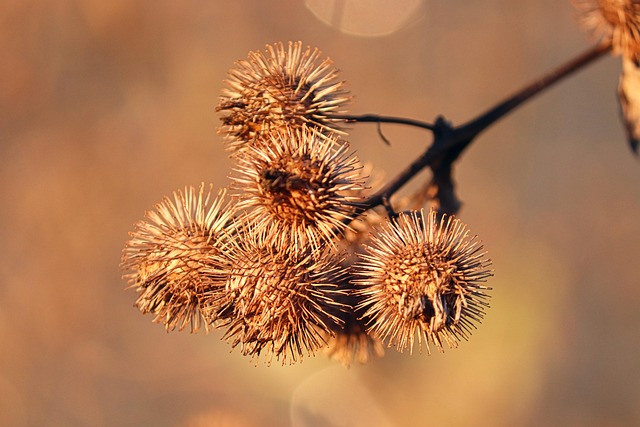
лопух, арктикум, падение, высушенные, увядший, закрывать, быть ответственным, клей, лекарственное растение, лечебный эффект
быть, отлично, вот это да, класть
Быть — это глагол, обозначающий существование, наличие или состояние. В русском языке он также выполняет функцию связки и входит в состав сложных форм времени.
Переводы на другие языки
العربية
كان
فعل يدل على الوجود أو الهوية أو الحالة، ويُستخدم أيضاً كفعل رابط。
«أريد أن أكون سعيداً.»
Формы (39)
| كان | 3-е лицо, м.р., ед.ч., перфект |
| كانت | 3-е лицо, ж.р., ед.ч., перфект |
| كانا | 3-е лицо, дв.ч., м.р., перфект |
| كانتا | 3-е лицо, дв.ч., ж.р., перфект |
| كانوا | 3-е лицо, мн.ч., м.р., перфект |
| كنّ | 3-е лицо, мн.ч., ж.р., перфект |
| كنتُ | 1-е лицо, ед.ч., перфект |
| كنّا | 1-е лицо, мн.ч., перфект |
| كنتَ | 2-е лицо, м.р., ед.ч., перфект |
| كنتِ | 2-е лицо, ж.р., ед.ч., перфект |
| كنتما | 2-е лицо, дв.ч., перфект |
| كنتم | 2-е лицо, мн.ч., м.р., перфект |
| كنتنّ | 2-е лицо, мн.ч., ж.р., перфект |
| يكون | 3-е лицо, м.р., ед.ч., имперфект индикатив |
| تكون | 3-е лицо, ж.р., ед.ч., имперфект индикатив |
| يكونان | 3-е лицо, дв.ч., м.р., имперфект индикатив |
| تكونان | 3-е лицо, дв.ч., ж.р., имперфект индикатив |
| يكونون | 3-е лицо, мн.ч., м.р., имперфект индикатив |
| يكنّ | 3-е лицо, мн.ч., ж.р., имперфект индикатив |
| أكون | 1-е лицо, ед.ч., имперфект индикатив |
| نكون | 1-е лицо, мн.ч., имперфект индикатив |
| تكون | 2-е лицо, м.р., ед.ч., имперфект индикатив |
| تكونين | 2-е лицо, ж.р., ед.ч., имперфект индикатив |
| تكونان | 2-е лицо, дв.ч., имперфект индикатив |
| تكونون | 2-е лицо, мн.ч., м.р., имперфект индикатив |
| تكنّ | 2-е лицо, мн.ч., ж.р., имперфект индикатив |
| يكنْ | 3-е лицо, м.р., ед.ч., юссив |
| تكنْ | 3-е лицо, ж.р., ед.ч., юссив |
| أكنْ | 1-е лицо, ед.ч., юссив |
| نكنْ | 1-е лицо, мн.ч., юссив |
| تكنْ | 2-е лицо, м.р., ед.ч., юссив |
| كوني | 2-е лицо, ж.р., ед.ч., императив |
| كونا | 2-е лицо, дв.ч., императив |
| كونوا | 2-е лицо, мн.ч., м.р., императив |
| كنّ | 2-е лицо, мн.ч., ж.р., императив |
| كائناً | винительный падеж, неопределённое состояние, м.р., ед.ч., действительное причастие |
| كائنٌ | именительный падеж, неопределённое состояние, м.р., ед.ч., действительное причастие |
| كائنٍ | родительный падеж, неопределённое состояние, м.р., ед.ч., действительное причастие |
| كائن | lemma |
de
sein
Der Begriff für Existenz oder Anwesenheit.
Формы (32)
| sein | lemma/infinitive |
| bin | present/1sg |
| bist | present/2sg |
| ist | present/3sg |
| sind | present/1pl |
| seid | present/2pl |
| sind | present/3pl |
| war | past/1sg |
| warst | past/2sg |
| war | past/3sg |
| waren | past/1pl |
| wart | past/2pl |
| waren | past/3pl |
| sei | present/subjunctive1/1sg |
| seiest | present/subjunctive1/2sg |
| sei | present/subjunctive1/3sg |
| seien | present/subjunctive1/1pl |
| seiet | present/subjunctive1/2pl |
| seien | present/subjunctive1/3pl |
| wäre | past/subjunctive2/1sg |
| wärst | past/subjunctive2/2sg |
| wäre | past/subjunctive2/3sg |
| wären | past/subjunctive2/1pl |
| wärt | past/subjunctive2/2pl |
| wären | past/subjunctive2/3pl |
| sei | imperative/sg |
| seid | imperative/pl |
| seien | imperative/formal |
| gewesen | participle2 |
| seiend | participle1 |
| sein | infinitive |
| sein | attributive/lemma |
English
to be
The verb expressing existence, identity, or state; also used as a copula.
«I want to be happy.»
Формы (17)
| be | lemma |
| am | 1st person singular present indicative |
| is | 3rd person singular present indicative |
| are | 2nd person singular present indicative |
| are | 1st person plural present indicative |
| are | 2nd person plural present indicative |
| are | 3rd person plural present indicative |
| was | 1st person singular past indicative |
| was | 3rd person singular past indicative |
| were | 2nd person singular past indicative |
| were | 1st person plural past indicative |
| were | 2nd person plural past indicative |
| were | 3rd person plural past indicative |
| being | present participle |
| been | past participle |
| be | present subjunctive |
| were | past subjunctive |
Español
ser
Verbo que expresa existencia, identidad o estado; también se usa como cópula.
«Quiero ser feliz.»
Формы (61)
| ser | infinitive |
| soy | present indicative 1st person singular |
| eres | present indicative 2nd person singular |
| es | present indicative 3rd person singular |
| somos | present indicative 1st person plural |
| sois | present indicative 2nd person plural |
| son | present indicative 3rd person plural |
| era | imperfect indicative 1st person singular |
| eras | imperfect indicative 2nd person singular |
| era | imperfect indicative 3rd person singular |
| éramos | imperfect indicative 1st person plural |
| erais | imperfect indicative 2nd person plural |
| eran | imperfect indicative 3rd person plural |
| fui | preterite indicative 1st person singular |
| fuiste | preterite indicative 2nd person singular |
| fue | preterite indicative 3rd person singular |
| fuimos | preterite indicative 1st person plural |
| fuisteis | preterite indicative 2nd person plural |
| fueron | preterite indicative 3rd person plural |
| seré | future indicative 1st person singular |
| serás | future indicative 2nd person singular |
| será | future indicative 3rd person singular |
| seremos | future indicative 1st person plural |
| seréis | future indicative 2nd person plural |
| serán | future indicative 3rd person plural |
| sería | conditional 1st person singular |
| serías | conditional 2nd person singular |
| sería | conditional 3rd person singular |
| seríamos | conditional 1st person plural |
| seríais | conditional 2nd person plural |
| serían | conditional 3rd person plural |
| sea | present subjunctive 1st person singular |
| seas | present subjunctive 2nd person singular |
| sea | present subjunctive 3rd person singular |
| seamos | present subjunctive 1st person plural |
| seáis | present subjunctive 2nd person plural |
| sean | present subjunctive 3rd person plural |
| fuera | imperfect subjunctive 1st person singular |
| fueras | imperfect subjunctive 2nd person singular |
| fuera | imperfect subjunctive 3rd person singular |
| fuéramos | imperfect subjunctive 1st person plural |
| fuerais | imperfect subjunctive 2nd person plural |
| fueran | imperfect subjunctive 3rd person plural |
| fuese | imperfect subjunctive 1st person singular |
| fueses | imperfect subjunctive 2nd person singular |
| fuese | imperfect subjunctive 3rd person singular |
| fuésemos | imperfect subjunctive 1st person plural |
| fueseis | imperfect subjunctive 2nd person plural |
| fuesen | imperfect subjunctive 3rd person plural |
| fuere | future subjunctive 1st person singular |
| fueres | future subjunctive 2nd person singular |
| fuere | future subjunctive 3rd person singular |
| fuéremos | future subjunctive 1st person plural |
| fuereis | future subjunctive 2nd person plural |
| fueren | future subjunctive 3rd person plural |
| sé | imperative 2nd person singular |
| sed | imperative 2nd person plural |
| siendo | gerund |
| sido | past participle |
| sé | present indicative 1st person singular |
| ser | lemma |
Français
être
Verbe exprimant l'existence, l'identité ou l'état ; utilisé aussi comme copule.
«Je veux être heureux.»
Формы (51)
| être | infinitive present |
| suis | indicative present 1st person singular |
| es | indicative present 2nd person singular |
| est | indicative present 3rd person singular |
| sommes | indicative present 1st person plural |
| êtes | indicative present 2nd person plural |
| sont | indicative present 3rd person plural |
| étais | imperfect indicative 1st person singular |
| étais | imperfect indicative 2nd person singular |
| était | imperfect indicative 3rd person singular |
| étions | imperfect indicative 1st person plural |
| étiez | imperfect indicative 2nd person plural |
| étaient | imperfect indicative 3rd person plural |
| fus | past historic 1st person singular |
| fus | past historic 2nd person singular |
| fut | past historic 3rd person singular |
| fûmes | past historic 1st person plural |
| fûtes | past historic 2nd person plural |
| furent | past historic 3rd person plural |
| serai | future 1st person singular |
| seras | future 2nd person singular |
| sera | future 3rd person singular |
| serons | future 1st person plural |
| serez | future 2nd person plural |
| seront | future 3rd person plural |
| serais | conditional present 1st person singular |
| serais | conditional present 2nd person singular |
| serait | conditional present 3rd person singular |
| serions | conditional present 1st person plural |
| seriez | conditional present 2nd person plural |
| seraient | conditional present 3rd person plural |
| sois | subjunctive present 1st person singular |
| sois | subjunctive present 2nd person singular |
| soit | subjunctive present 3rd person singular |
| soyons | subjunctive present 1st person plural |
| soyez | subjunctive present 2nd person plural |
| soient | subjunctive present 3rd person plural |
| fusse | imperfect subjunctive 1st person singular |
| fusses | imperfect subjunctive 2nd person singular |
| fût | imperfect subjunctive 3rd person singular |
| fussions | imperfect subjunctive 1st person plural |
| fussiez | imperfect subjunctive 2nd person plural |
| fussent | imperfect subjunctive 3rd person plural |
| sois | imperative 2nd person singular |
| soyons | imperative 1st person plural |
| soyez | imperative 2nd person plural |
| étant | present participle |
| été | past participle masculine singular |
| été | past participle feminine singular |
| été | past participle masculine plural |
| été | past participle feminine plural |
hi
अस्तित्व
यह होने या मौजूद होने की अवस्था है।
Формы (7)
| अस्तित्व | lemma |
| अस्तित्व | direct singular |
| अस्तित्व | direct plural |
| अस्तित्व | oblique singular |
| अस्तित्व | oblique plural |
| अस्तित्व | vocative singular |
| अस्तित्व | vocative plural |
pt
ser
O conceito de existência ou estado de estar.
Формы (61)
| ser | infinitive |
| sendo | gerund |
| sido | past participle |
| sou | present indicative 1st person singular |
| és | present indicative 2nd person singular |
| é | present indicative 3rd person singular |
| somos | present indicative 1st person plural |
| sois | present indicative 2nd person plural |
| são | present indicative 3rd person plural |
| era | imperfect indicative 1st/3rd person singular |
| eras | imperfect indicative 2nd person singular |
| éramos | imperfect indicative 1st person plural |
| éreis | imperfect indicative 2nd person plural |
| eram | imperfect indicative 3rd person plural |
| fui | preterite indicative 1st/3rd person singular |
| foste | preterite indicative 2nd person singular |
| foi | preterite indicative 3rd person singular |
| fomos | preterite indicative 1st person plural |
| fostes | preterite indicative 2nd person plural |
| foram | preterite indicative 3rd person plural |
| fora | pluperfect indicative 1st/3rd person singular |
| foras | pluperfect indicative 2nd person singular |
| fôramos | pluperfect indicative 1st person plural |
| fôreis | pluperfect indicative 2nd person plural |
| foram | pluperfect indicative 3rd person plural |
| serei | future indicative 1st person singular |
| serás | future indicative 2nd person singular |
| será | future indicative 3rd person singular |
| seremos | future indicative 1st person plural |
| sereis | future indicative 2nd person plural |
| serão | future indicative 3rd person plural |
| seria | conditional 1st/3rd person singular |
| serias | conditional 2nd person singular |
| seríamos | conditional 1st person plural |
| seríeis | conditional 2nd person plural |
| seriam | conditional 3rd person plural |
| seja | present subjunctive 1st/3rd person singular |
| sejas | present subjunctive 2nd person singular |
| sejamos | present subjunctive 1st person plural |
| sejais | present subjunctive 2nd person plural |
| sejam | present subjunctive 3rd person plural |
| fosse | imperfect subjunctive 1st/3rd person singular |
| fosses | imperfect subjunctive 2nd person singular |
| fôssemos | imperfect subjunctive 1st person plural |
| fôsseis | imperfect subjunctive 2nd person plural |
| fossem | imperfect subjunctive 3rd person plural |
| for | future subjunctive 1st/3rd person singular |
| fores | future subjunctive 2nd person singular |
| formos | future subjunctive 1st person plural |
| fordes | future subjunctive 2nd person plural |
| forem | future subjunctive 3rd person plural |
| sê | imperative 2nd person singular |
| seja | imperative 3rd person singular |
| sejamos | imperative 1st person plural |
| sede | imperative 2nd person plural |
| sejam | imperative 3rd person plural |
| ser | personal infinitive 1st/3rd person singular |
| seres | personal infinitive 2nd person singular |
| sermos | personal infinitive 1st person plural |
| serdes | personal infinitive 2nd person plural |
| serem | personal infinitive 3rd person plural |
tr
olmak
Bir şeyin var olma durumu veya bir durumda bulunma hali.
Формы (12)
| olmak | lemma |
| oluyorum | наст.вр.продолж./1л.ед.ч. |
| oluyorsun | наст.вр.продолж./2л.ед.ч. |
| oluyor | наст.вр.продолж./3л.ед.ч. |
| oluyoruz | наст.вр.продолж./1л.мн.ч. |
| oluyorsunuz | наст.вр.продолж./2л.мн.ч. |
| oluyorlar | наст.вр.продолж./3л.мн.ч. |
| olmakta | местн.падеж инфинитива |
| olmaktan | исх.падеж инфинитива |
| olmağa | дат.падеж инфинитива |
| olmayı | вин.падеж инфинитива |
| olmanın | род.падеж инфинитива |
中文
是
表示存在、身份或状态的动词,也用作系动词。
«我想成为快乐的人。»
Формы (1)
| 是 | lemma |
Чат словохаба — общий для всех языков
Пишите на своём языке — другие увидят перевод на свой. Сообщения проходят модерацию.
быть — это слово, вокруг которого собрано всё, что с ним связано на сайте.
Здесь вы можете найти товары, услуги,
медиа (видео, аудио, текст), а также упоминания
в комментариях и статьях. Если вы хотите создать что-то своё — выберите
подходящий тип ниже. Ваш контент появится в разделе «Что есть» на этой же странице.
Что есть на сайте
Пока нет связанных полок. Скоро появятся.
Связи
Что можно создать на слово «быть»
Справочник-перевод
🌐 English — to be
The verb expressing existence, identity, or state; also used as a copula.
Примеры:
-
— I want to be happy.
= Я хочу быть счастливым.
-
— There must be a reason.
= Должна быть причина.
-
— She is a doctor.
= Она врач.
🌐 中文 — 是
表示存在、身份或状态的动词,也用作系动词。
Примеры:
-
— 我想成为快乐的人。
= Я хочу стать счастливым человеком.
-
— 一定有原因。
= Обязательно есть причина.
-
— 她是一名医生。
= Она врач.
🌐 Español — ser
Verbo que expresa existencia, identidad o estado; también se usa como cópula.
Примеры:
-
— Quiero ser feliz.
= Я хочу быть счастливым.
-
— Debe haber una razón.
= Должна быть причина.
-
— Ella es médica.
= Она врач.
🌐 Français — être
Verbe exprimant l'existence, l'identité ou l'état ; utilisé aussi comme copule.
Примеры:
-
— Je veux être heureux.
= Я хочу быть счастливым.
-
— Il doit y avoir une raison.
= Должна быть причина.
-
— Elle est médecin.
= Она врач.
🌐 العربية — كان
فعل يدل على الوجود أو الهوية أو الحالة، ويُستخدم أيضاً كفعل رابط。
Примеры:
-
— أريد أن أكون سعيداً.
= Я хочу быть счастливым.
-
— لا بد أن يكون هناك سبب.
= Должна быть причина.
-
— هي طبيبة.
= Она врач.
🌐 de — sein
Der Begriff für Existenz oder Anwesenheit.
🌐 tr — olmak
Bir şeyin var olma durumu veya bir durumda bulunma hali.
🌐 pt — ser
O conceito de existência ou estado de estar.
🌐 hi — अस्तित्व
यह होने या मौजूद होने की अवस्था है।
Пути
×
![]()